
Future-ready, for every student.
Since 2012, we’ve connected students, schools, and employers so every young person in Sonoma County can explore a real career before they graduate.
Our Impact
CTE Foundation is the leading local organization exposing students to in-demand career opportunities.
29,000+
STUDENTS
REACHED
145+
CTE PROGRAMS
IMPLEMENTED
$19.2+
MILLION
INVESTED
$4.7+
MILLION IN GRANTS
DIRECTLY TO SCHOOLS
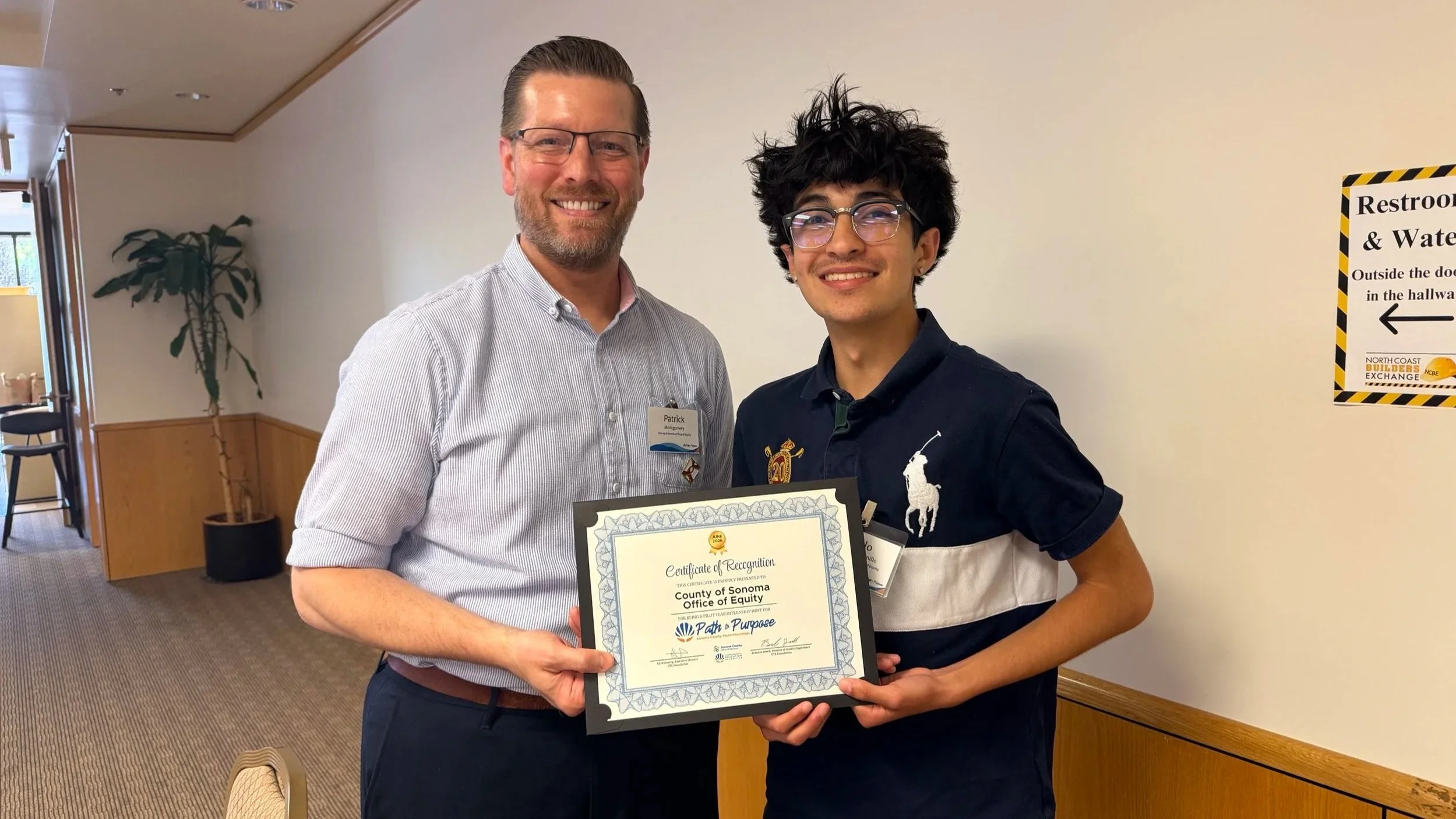
Paulo Martinez Alamillo showed up to his first day at the County of Sonoma Office of Equity in his dad's shoes. Four months later, he walked into his final presentation carrying a painting he'd made for the team…
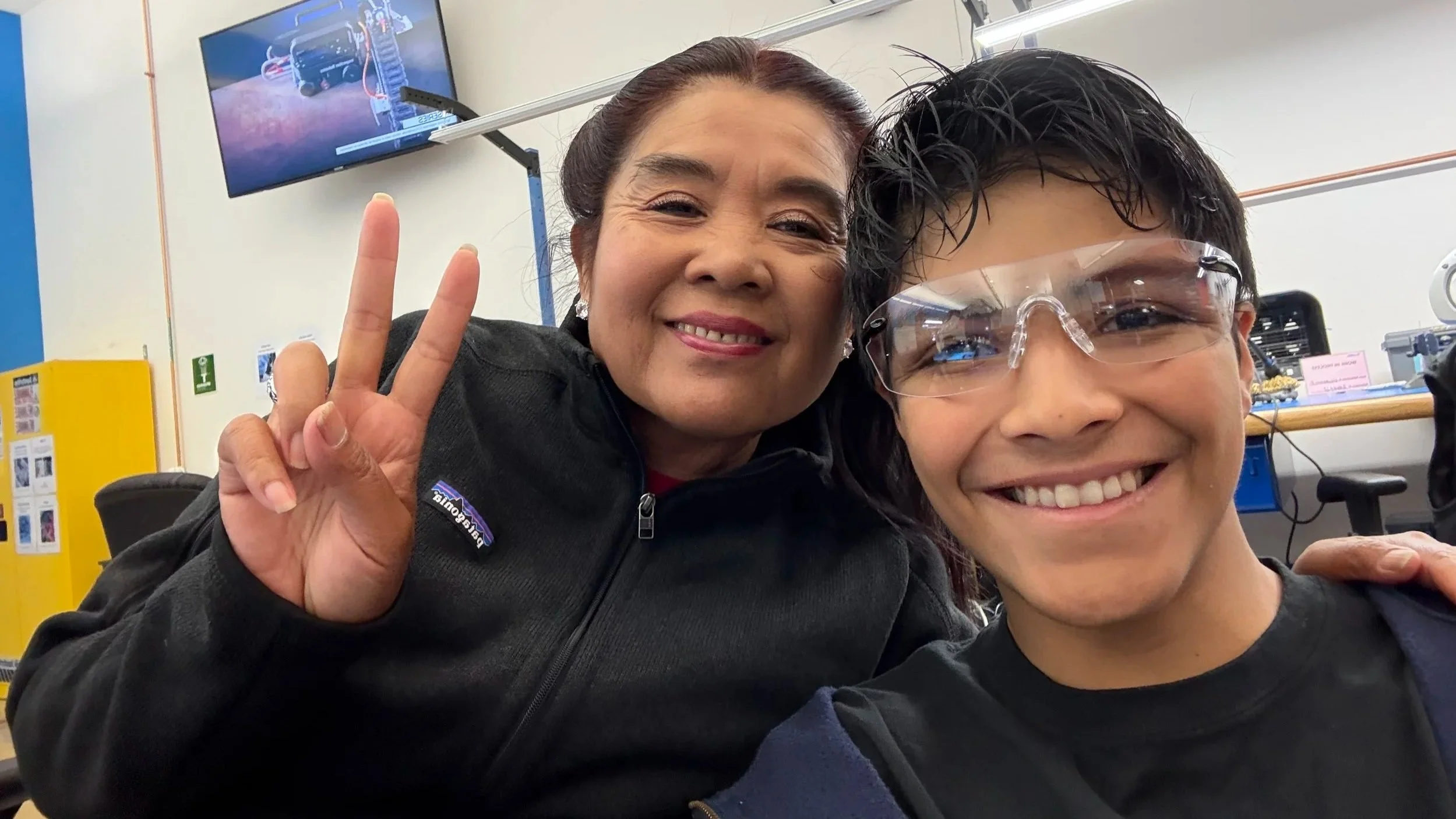
Dante M. walked into LEMO USA worried he wouldn't seem competent. Four months later, an engineer kept asking for him by name. "I was kind of worried at first, trying to prove that I have some technical know-how. Yes, I know electrical components, I know what they are. That was kind of my worry at first - presenting myself as someone competent…"
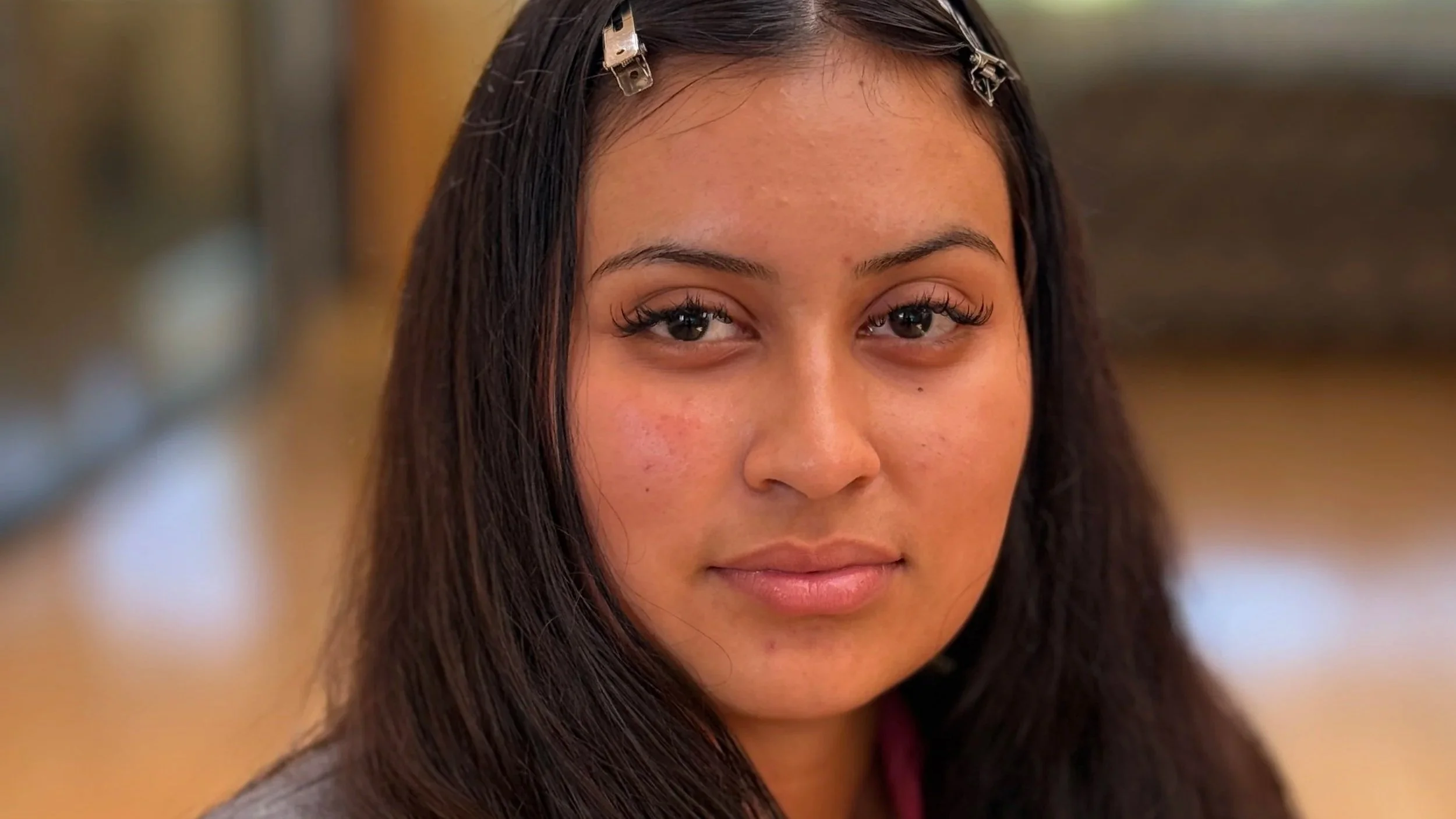
A year ago, I never would have imagined myself writing an opinion piece for CTE Foundation, or any organization. I was quiet. I avoided speaking in class whenever I could. Even though I cared about my future, I did not really see myself as someone capable of doing big things…
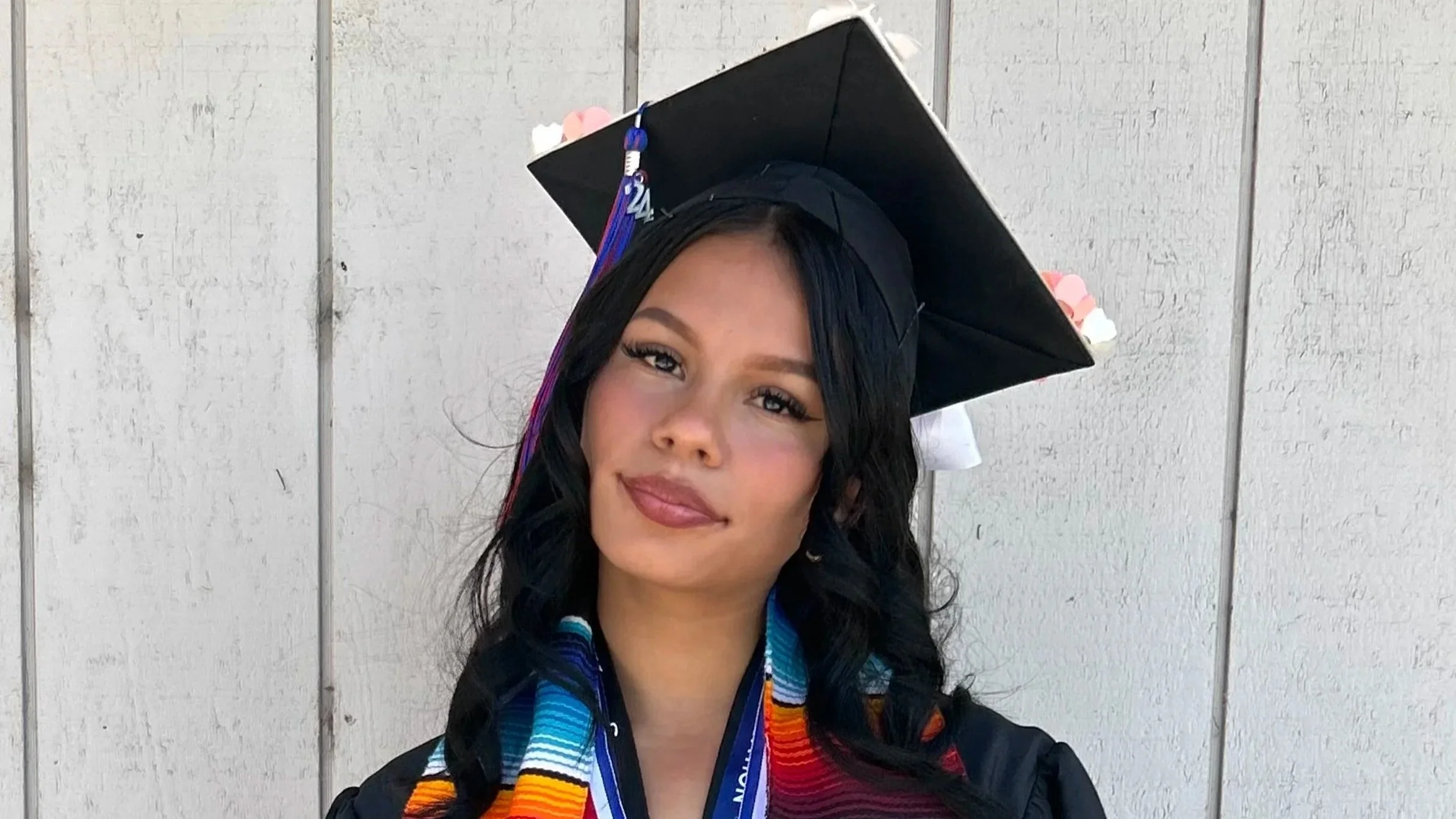
When Merari enrolled in her Sports Medicine class at Analy High School, she had no idea the impact it would have on her future. She was passionate about helping people, but she didn’t know where to start, or what was possible. “I had no idea this career was even an option for me.” Merari shared. “This class taught me so much and opened doors I didn’t know existed…”
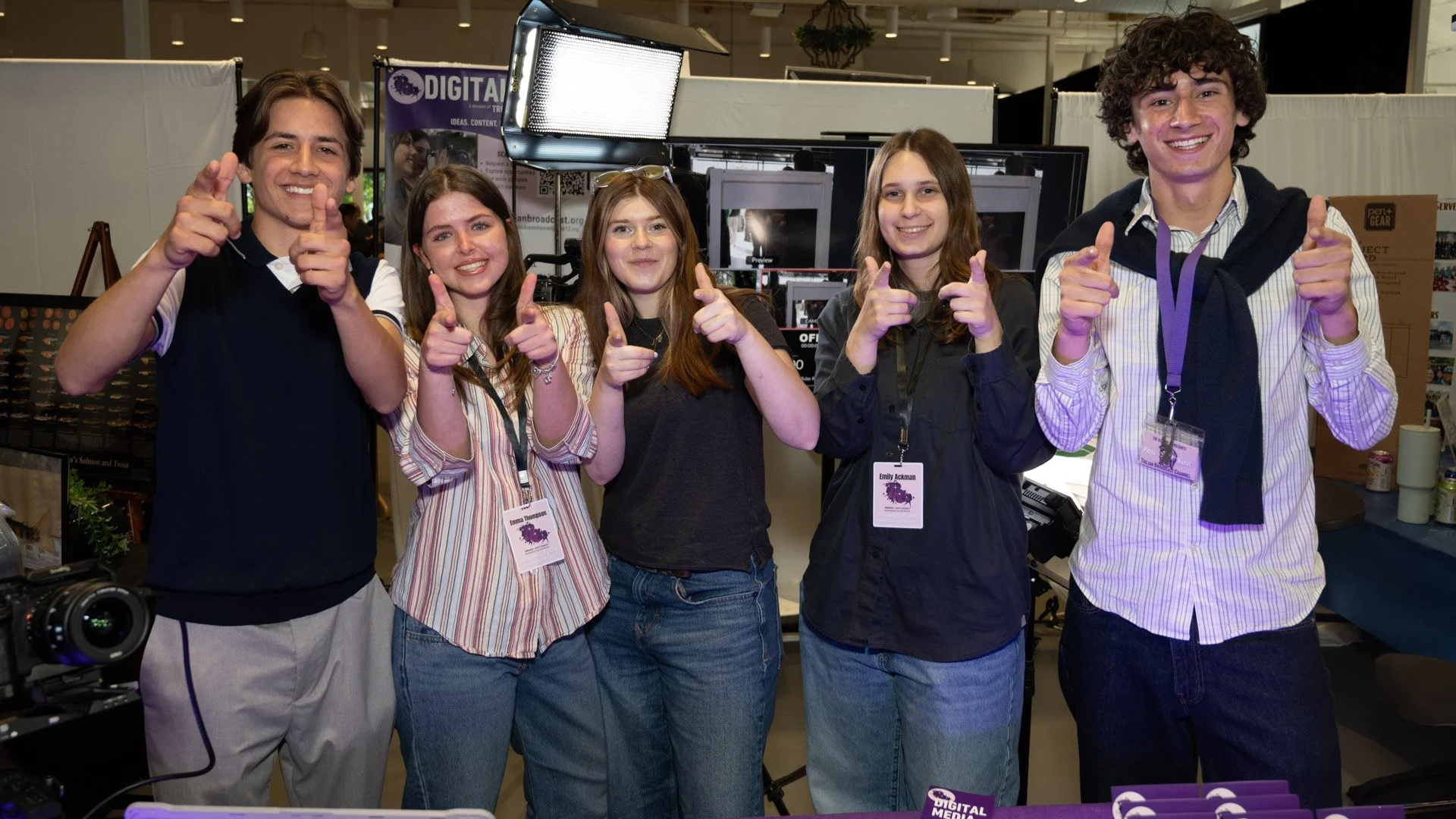
When CTE Foundation needed a video to show what career-connected learning actually looks like across Sonoma County, we didn't hire an agency. We hired Petaluma High School's Digital Media class - Trojan Broadcast, run by Mr. Dawsari - and handed over the whole thing. Planning, filming, producing, editing. All of it, done by high school students…

Zach Baird was finished with school before school was finished with him. "I felt kind of done by my senior year," he says. That's not an unusual thing for a graduating senior to feel, and it's usually treated as a problem to push through. Zach did something else with it. Instead of enrolling somewhere he didn't want to be, he took a gap year - a structured one, with a paycheck attached…
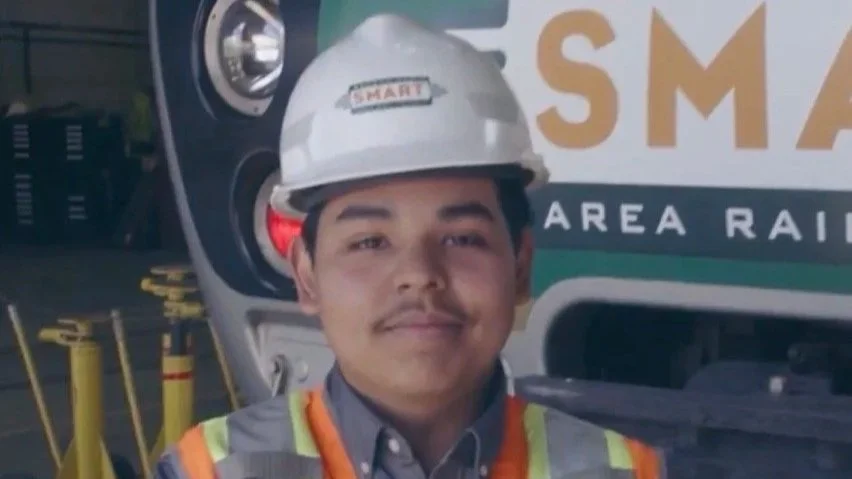
The fear came first, and Enrique names it without dressing it up. "I didn't know what to do after high school and I got kind of scared, like, what am I going to do, how am I going to make money..."? He was a senior when a presentation came through in the first month of the year….
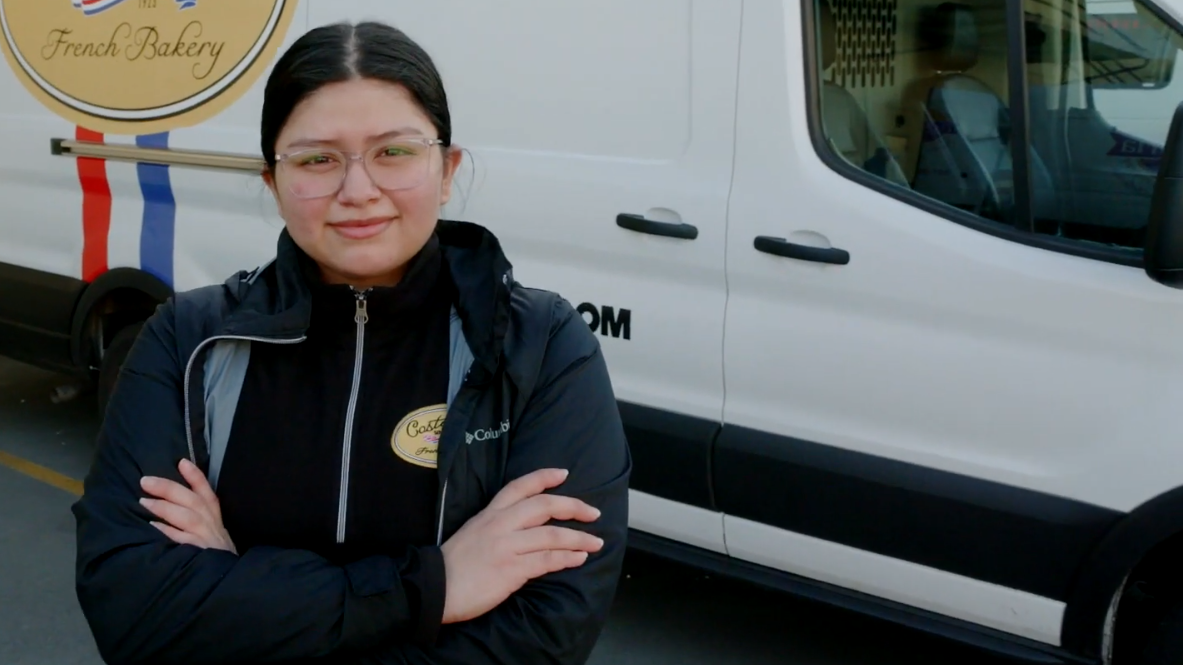
Paloma remembers the exact moment, and she remembers what it felt like on her face. "I heard a presentation about internships and I will always remember that presentation because my eyes lit up," she says. "I was like, this is a perfect opportunity." Before that, she was drifting. "I was really lost during high school. I had no clue what I wanted to do when I graduated..."
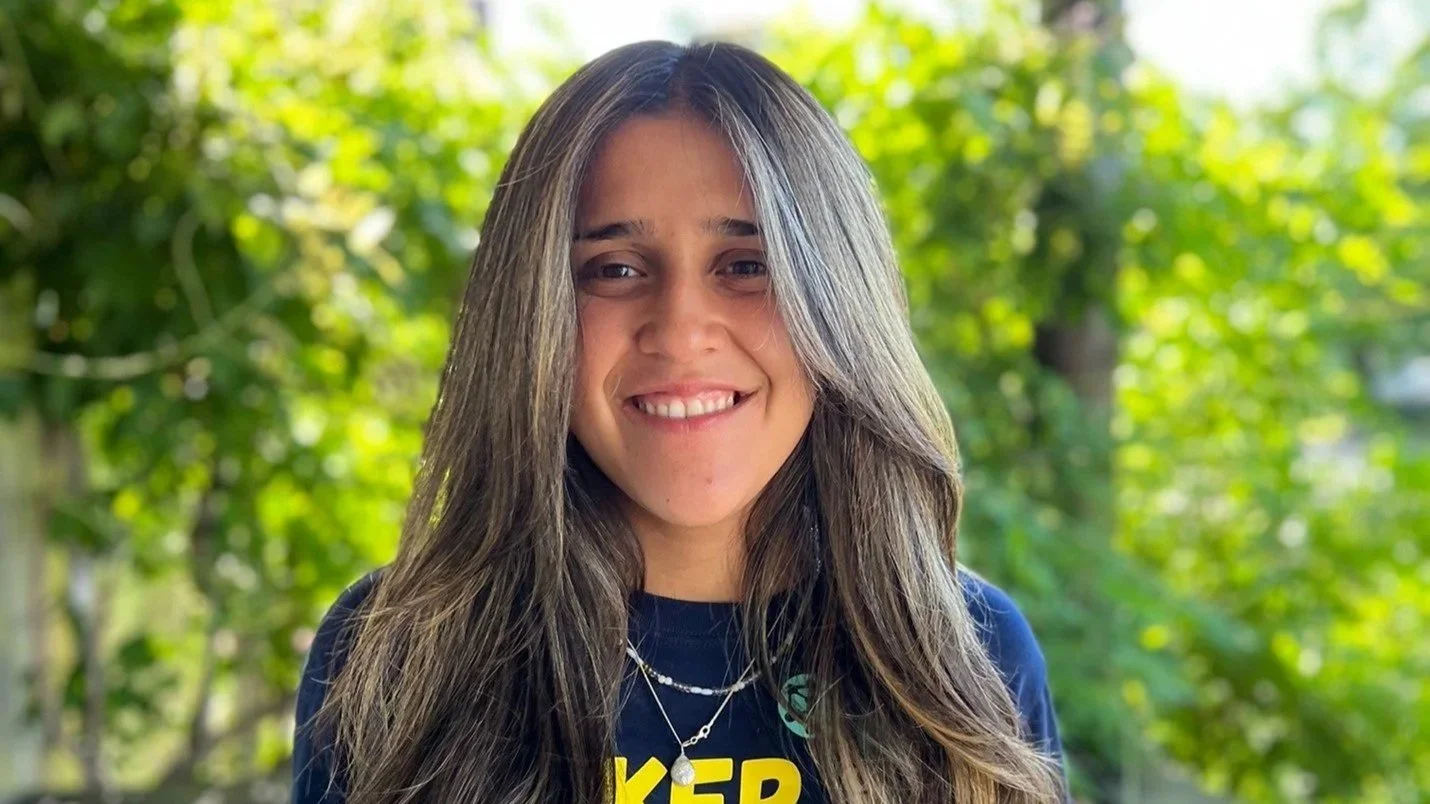
Last fall, I heard a radio commercial promoting Girls Tinker Academy for middle school kids. What an awesome program, I thought to myself. As a recent high school graduate, I wasn’t eligible to attend. But I was determined to find a way to get involved…
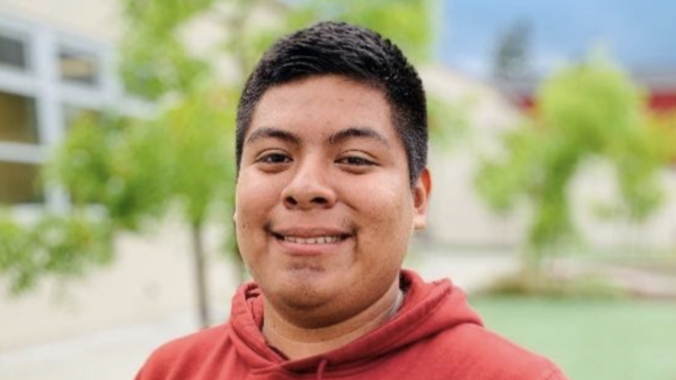
“I promised my parents that I’d find a way to buy a small property and build them a house,” Brian says. “Hopefully in ten years, I can apply all the skills I’m learning here to do that…”
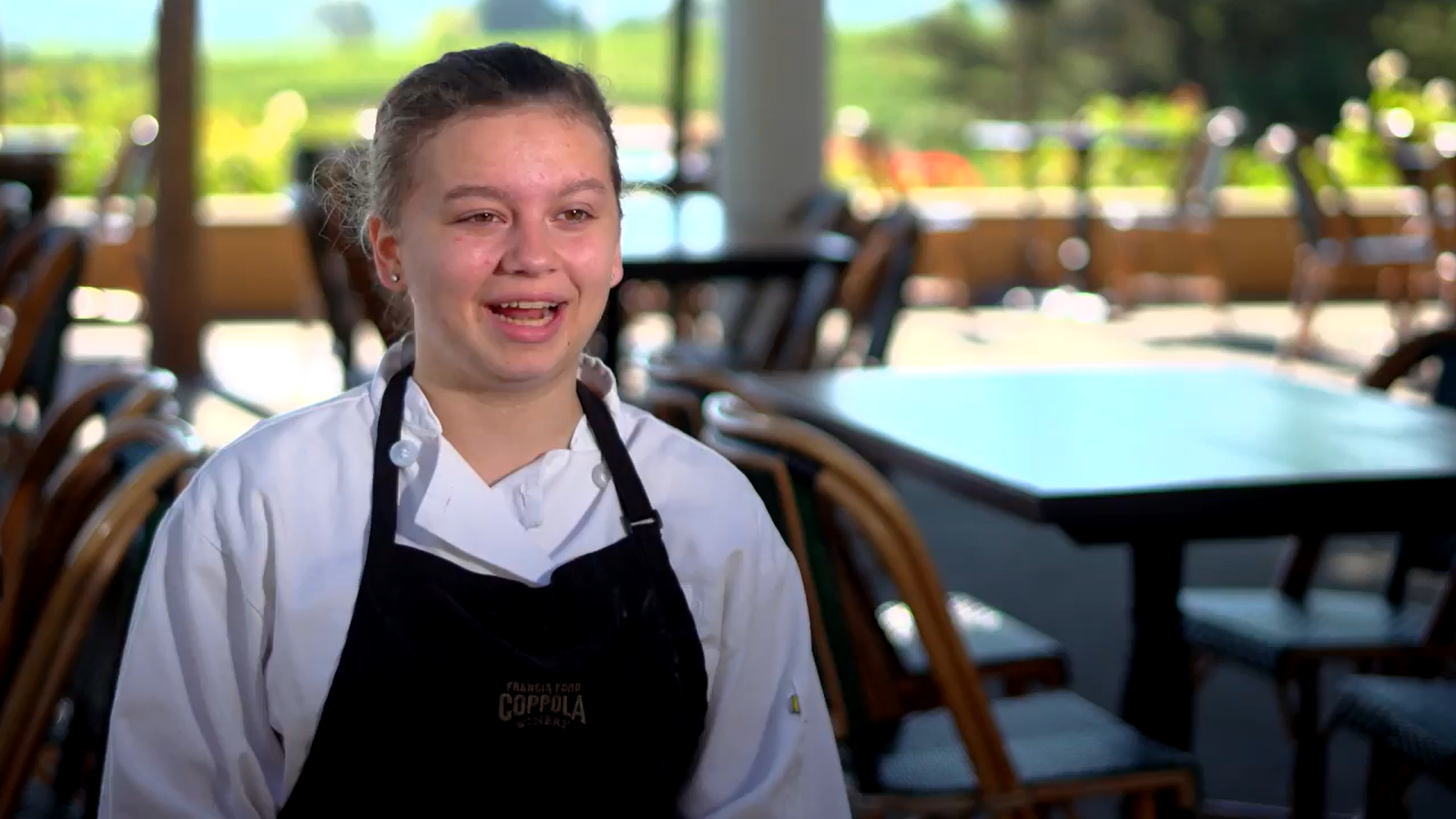
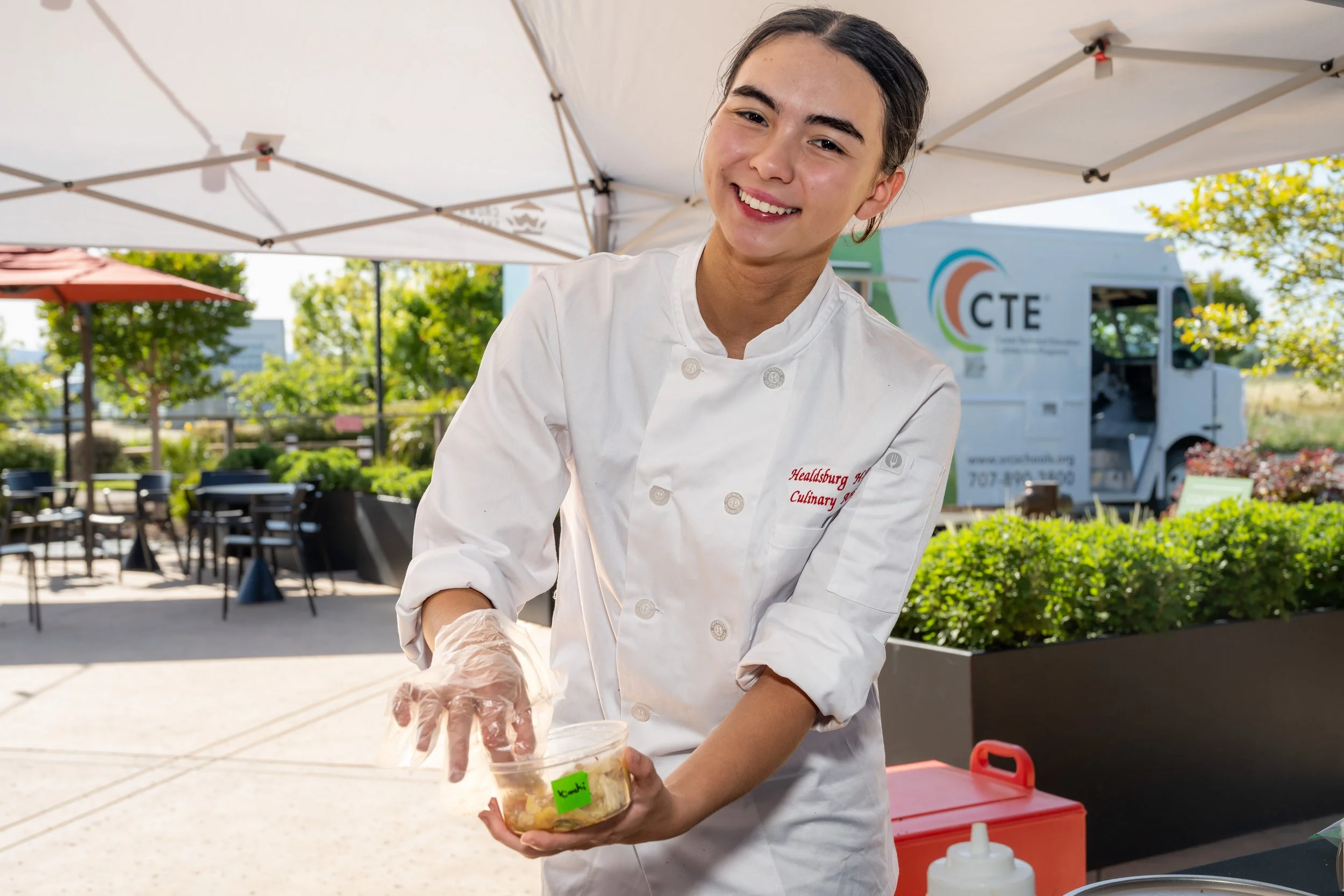
Lemon tarts. Cream puffs. Gelato. Chocolate mousse. Fruit tarts. Kaylie runs through the list the way anyone describes work they've done enough times to stop counting it. The impressive thing? She is a junior at Cloverdale High School…
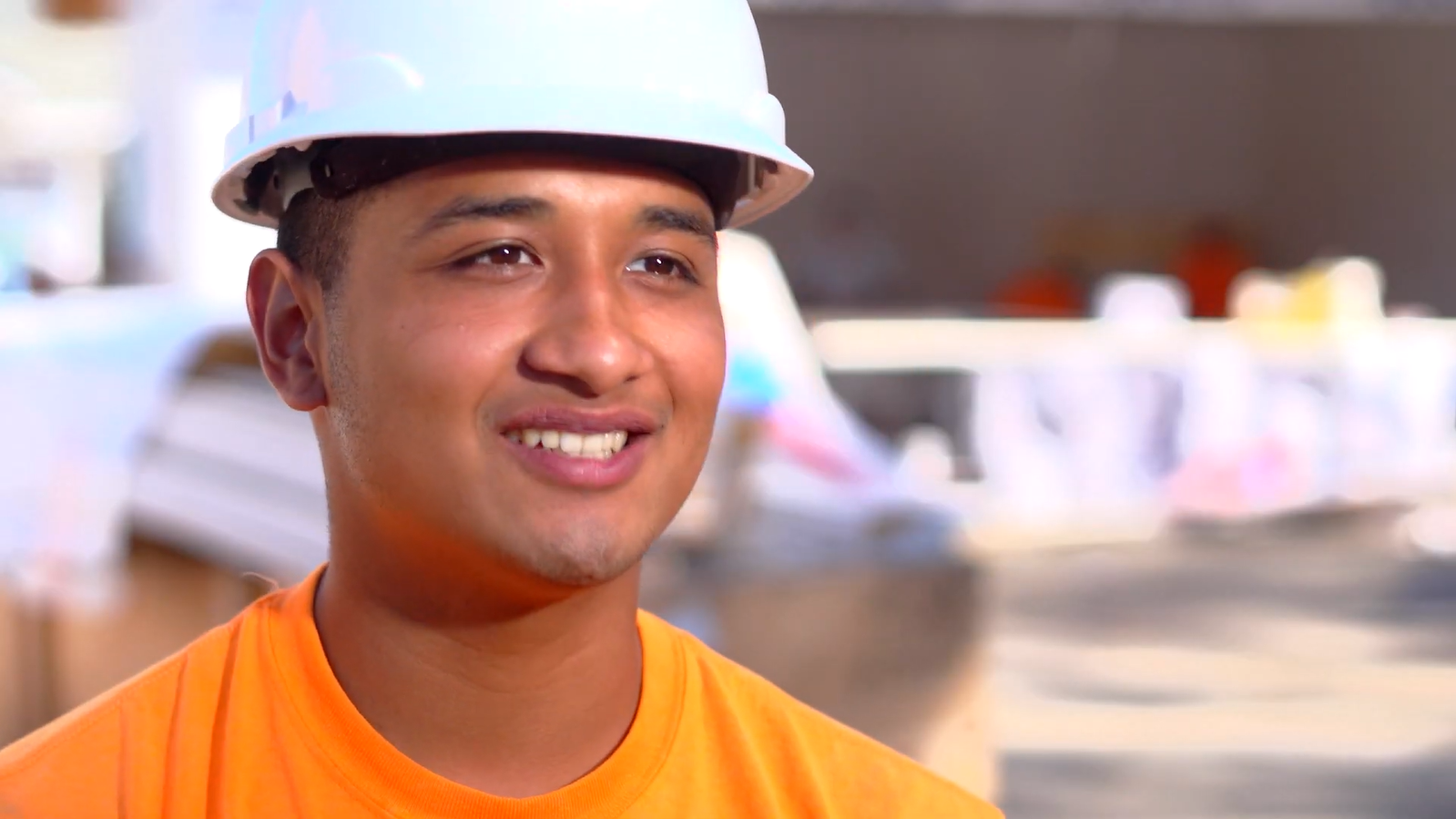
According to him, school wasn't Julian S.’s thing. A framing project outside Healdsburg showed him what was - and he had a job offer two weeks later…
Student Success Stories
These stories capture just a fraction of what students across Sonoma County accomplish when given a pathway to their future.
What is CTE?
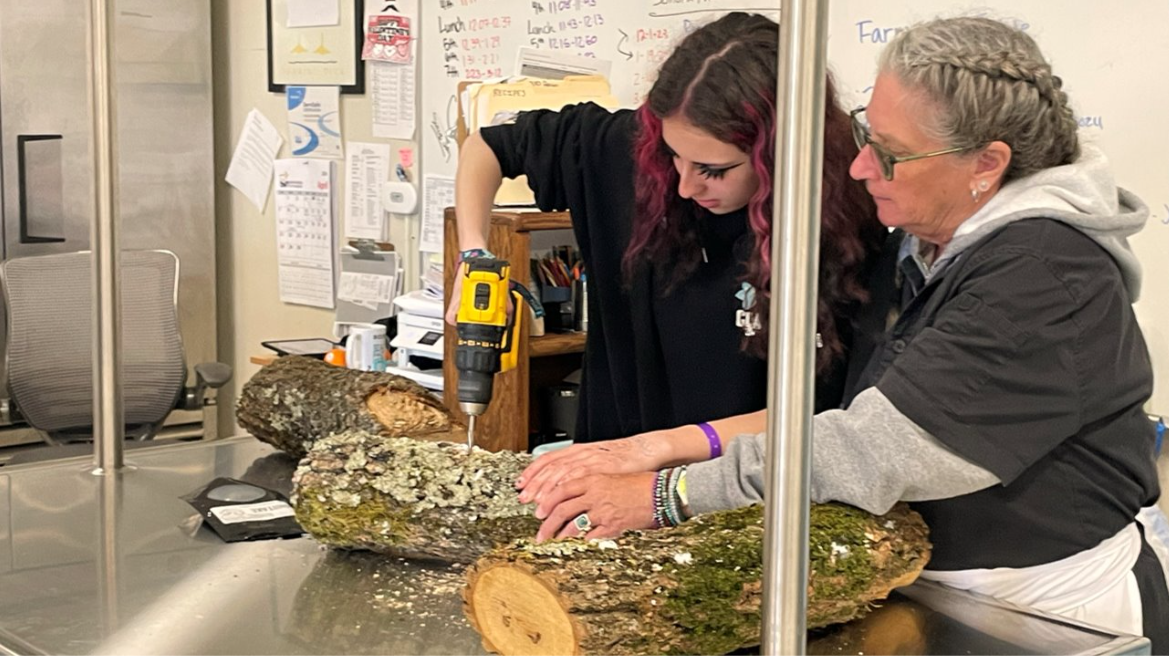
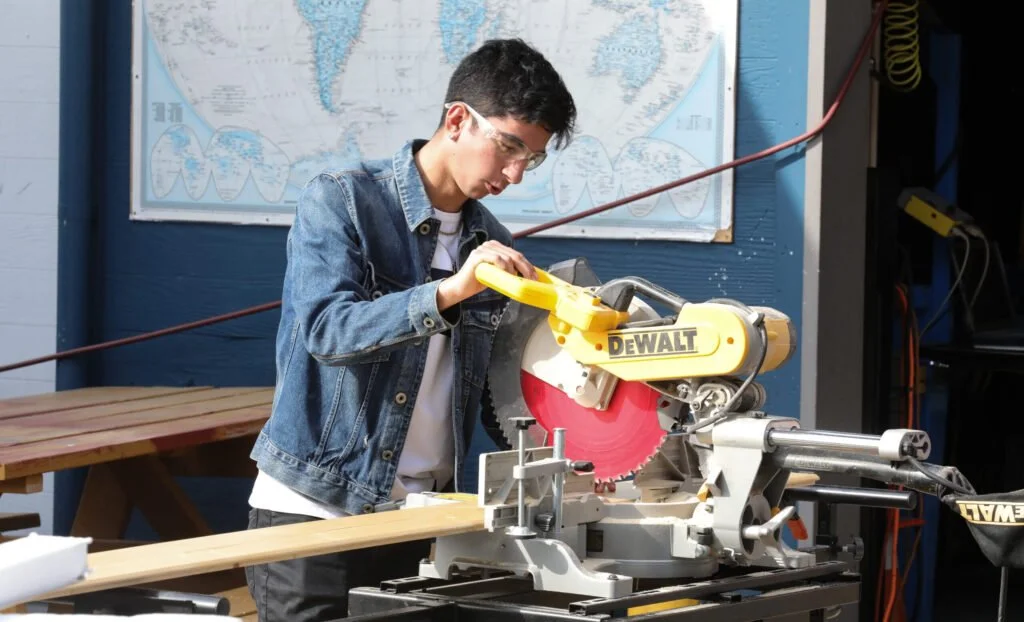
Career Technical Education (CTE) is a model of teaching that combines academic coursework with hands-on technical skills and real workplace experience.
Students in CTE programs learn by doing: they build, design, diagnose, code, and care for patients while earning the academic credits required for graduation and college admission.
-
The definition in simple terms - from Culinary, to Automotive, to Healthcare and beyond.
-
No - and here’s why.
-
We can only do our work with your support - learn how you can partner with us.
Your Investment Powers Our Work
Your gift opens doors to career-connected learning programs, internships and hands-on experiences that prepare students for success after high school.
CTE Foundation in the News
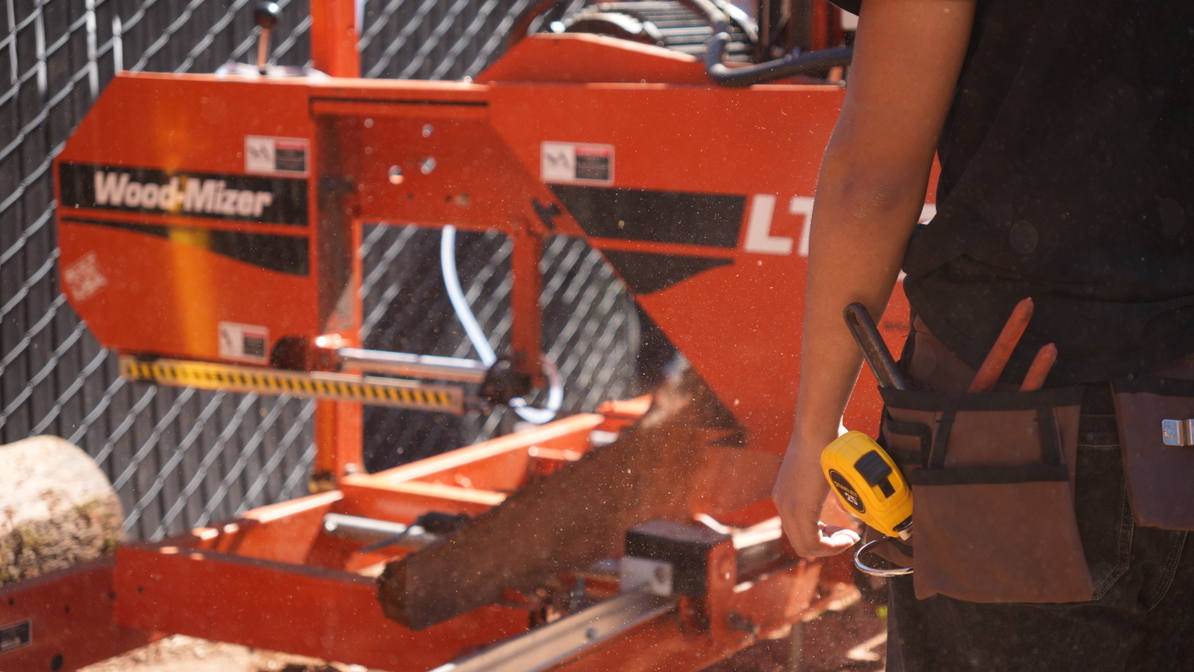
Hanna Academy has received a $10,000 grant from Career Technical Education Foundation Sonoma County to strengthen its construction trades program during the 2026-2027 school year…
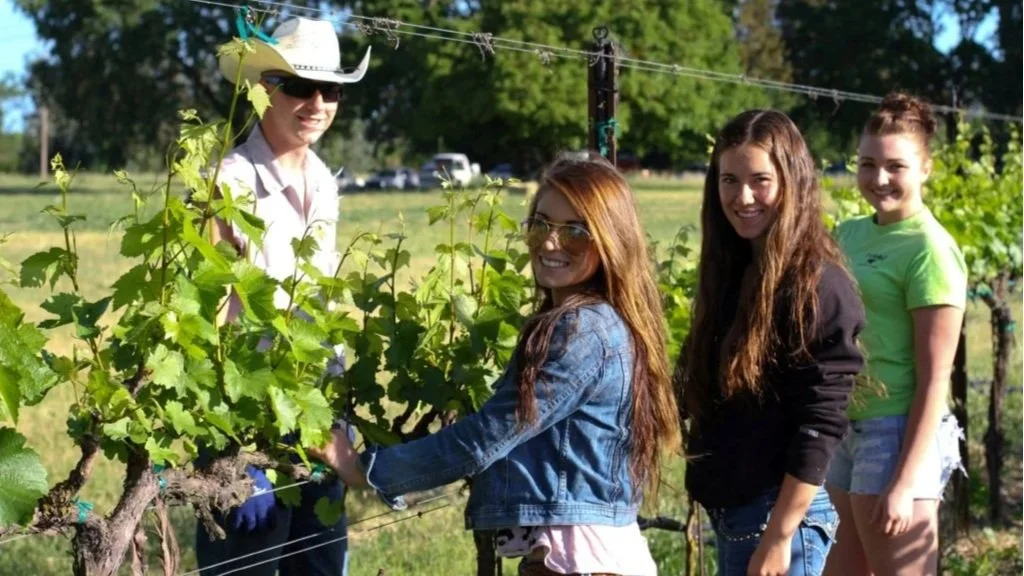
Sonoma County students will soon be building animal facilities, working in an apiary and earning food-handling credentials through a new round of Career Technical Education (CTE) grants. CTE Foundation Sonoma County has awarded $140,274 to 15 programs at 13 school sites for the 2026–27 school year…
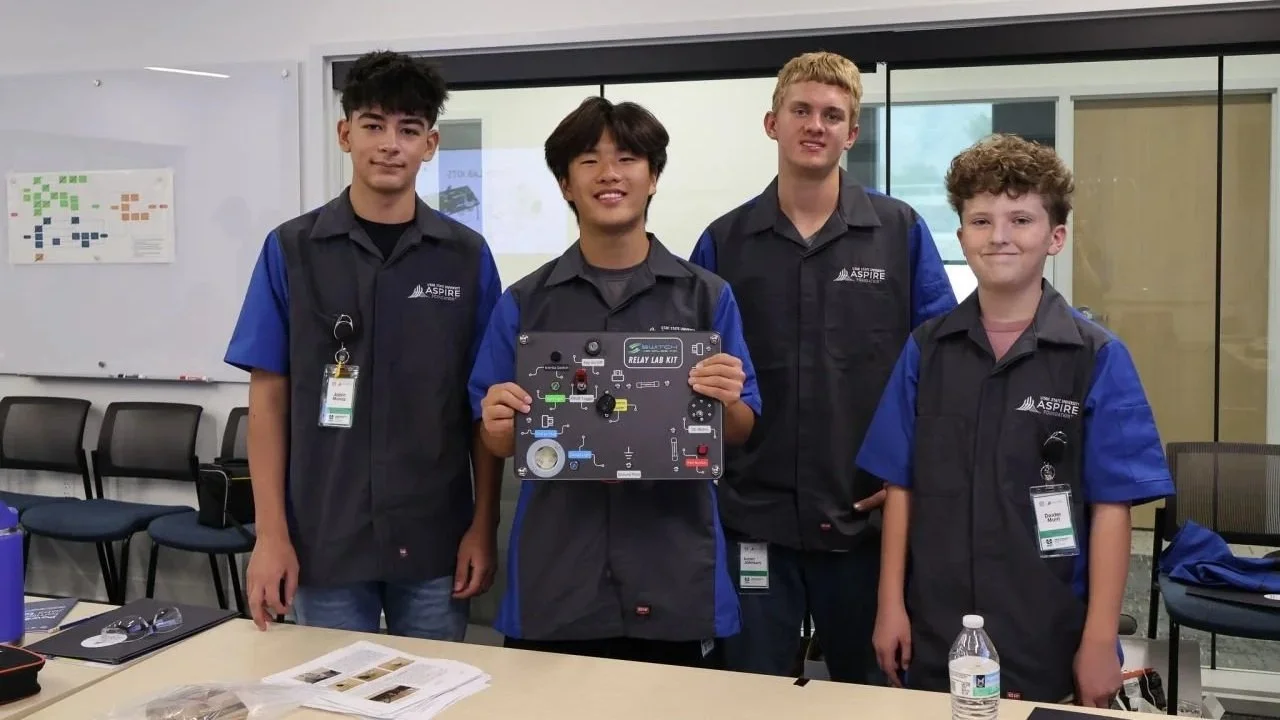
Sonoma Clean Power (SCP), the public power provider for Sonoma and Mendocino counties, and the Career Technical Education (CTE) Foundation are expanding hands-on clean energy education through a free STEM Kit Lending Library now available to middle and high school teachers throughout the region…
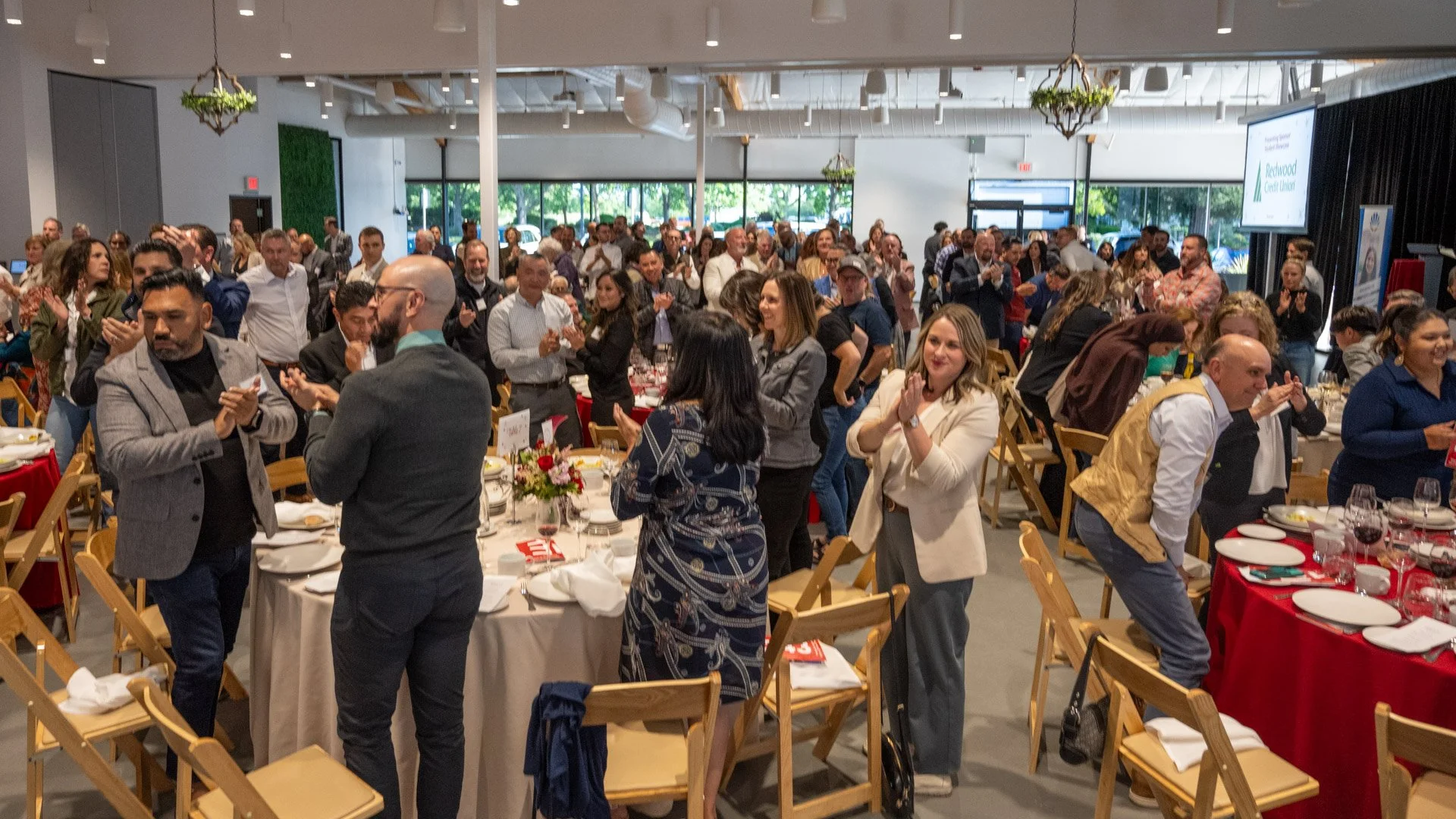
Career Technical Education Foundation Sonoma County hosted its ninth annual Spark the Future fundraiser April 16 at The Backdrop in Santa Rosa, raising more than $350,000 to support career-connected learning programs for students across Sonoma County…
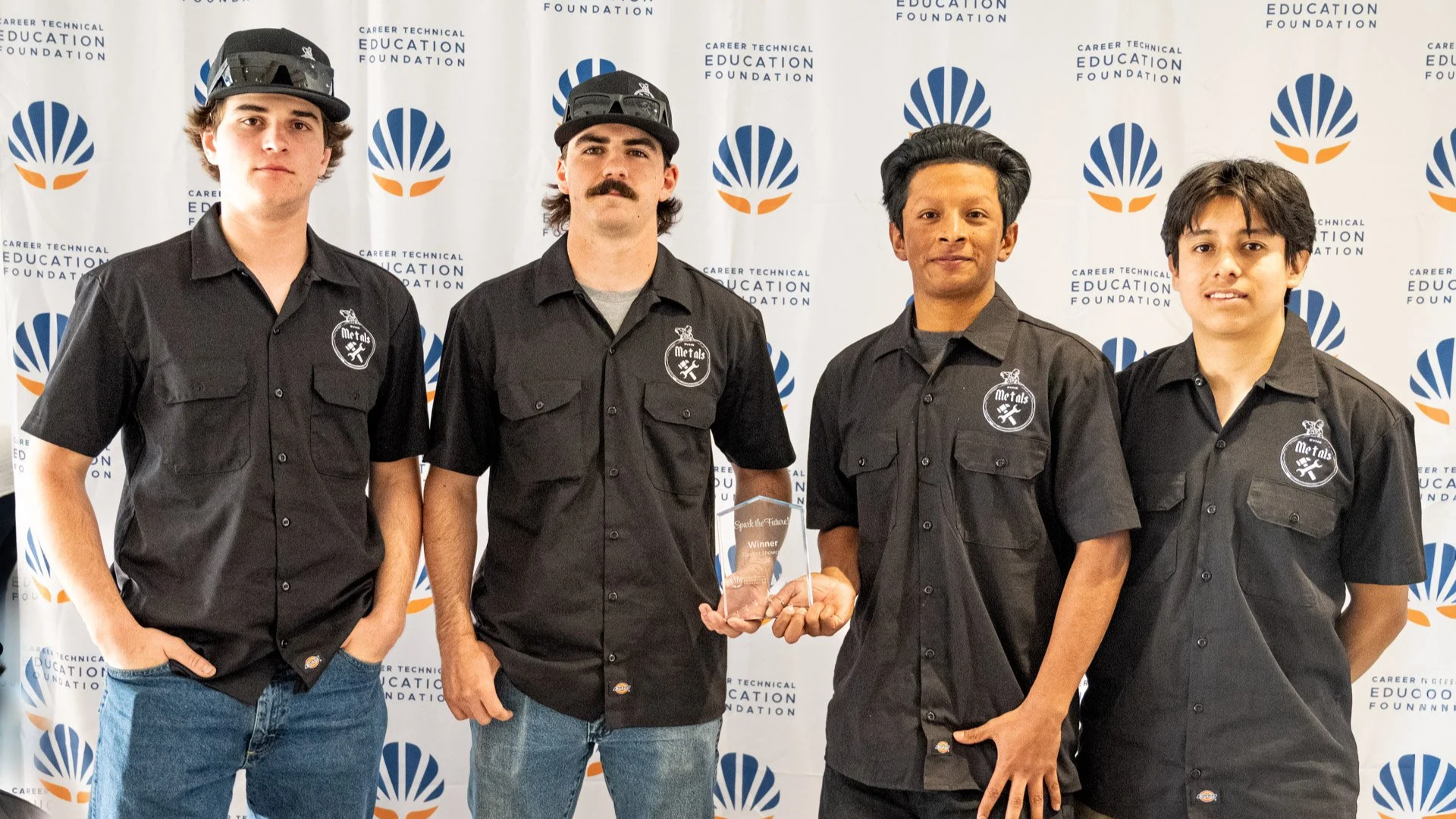
Sonoma Valley High Schools advanced metal fabrication students won the Best in Showcase award for a project they worked on and presented at the Ninth Annual Spark the Future fundraising event in Santa Rosa last month…

A new program for Sonoma County juniors and seniors wants to offer them the opportunity to explore potential careers and gain valuable work experience while earning college credit…
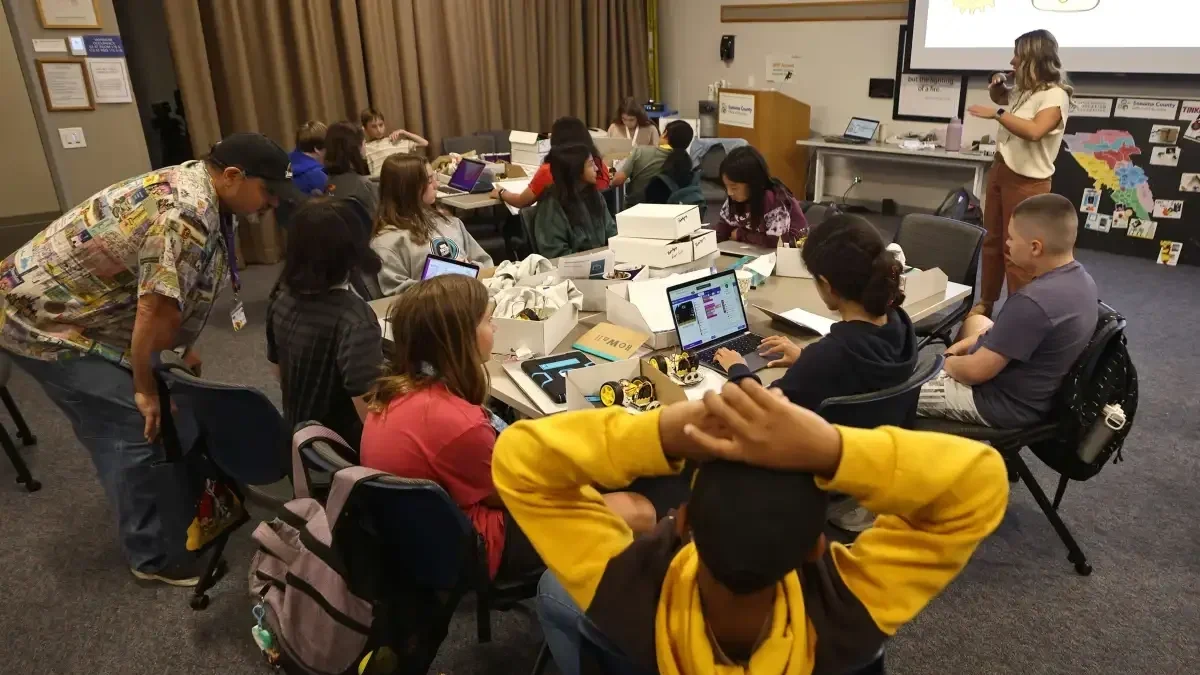
As students head back to class, Santa Rosa City Schools is reimagining some of its secondary campuses for a new 7-12 model. This shift creates an unprecedented opportunity for younger students to gain earlier exposure and even access to programs, classrooms and industry-standard tools that prepare them for college and careers…
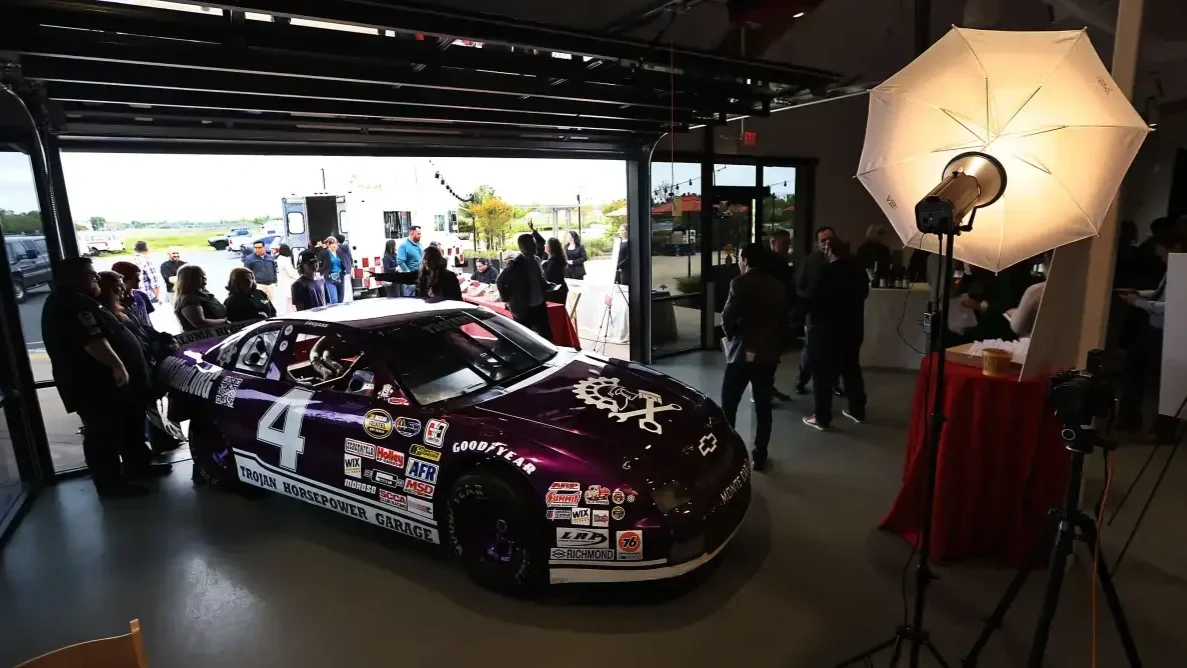
Career Technical Education (CTE) Foundation hosted its annual Spark the Future fundraiser April 24 in Santa Rosa, bringing together community members, educators and students to celebrate career-connected learning across Sonoma County…
In a vibrant classroom at a Sonoma County high school, a group of students is busy assembling and coding fully functioning robots. In another, a culinary class is preparing food and beverages in a student-run café. Nearby, students are practicing CPR and learning about health careers. All of them likely preparing for internships with local employers. These are examples of career technical education — or CTE — students connecting learning to careers and futures they’re passionate about…
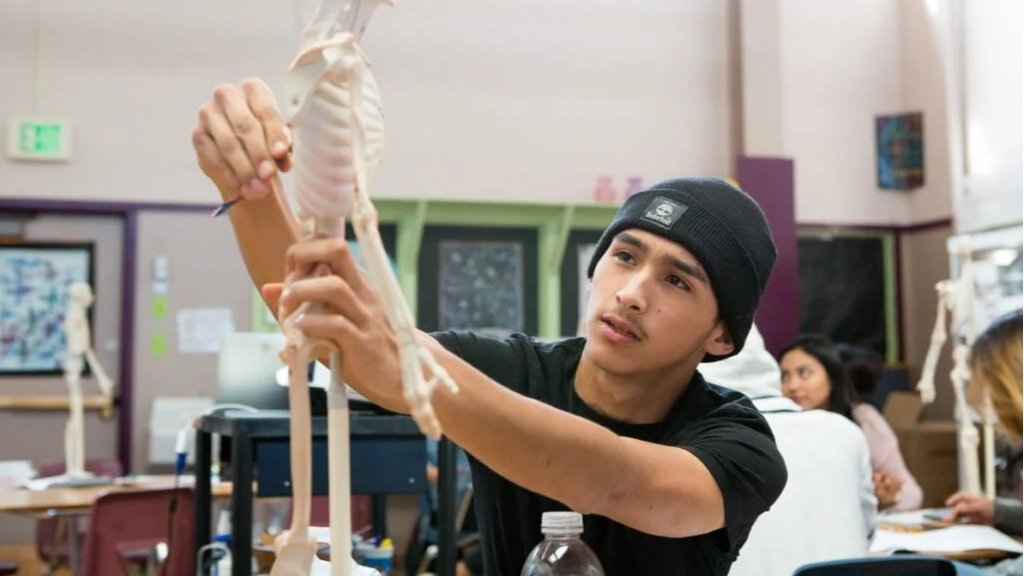
In June 2022, the California Legislature decided to invest a half billion dollars into the Golden State Pathways Program, a career and college preparation program that Gov. Gavin Newsom called a “game-changer” for high school students. But two years later, frustration is rising among school leaders who have begun another school year without the promised funding…
On this episode of the Getting Smart podcast, Shawnee Caruthers speaks with Kathy Goodacre, Principal Gabe Oliveira, and Vice Principal Erika Raffo about the transformative work happening in Sonoma County through the CTE Foundation and its partnership with Elsie Allen High School…
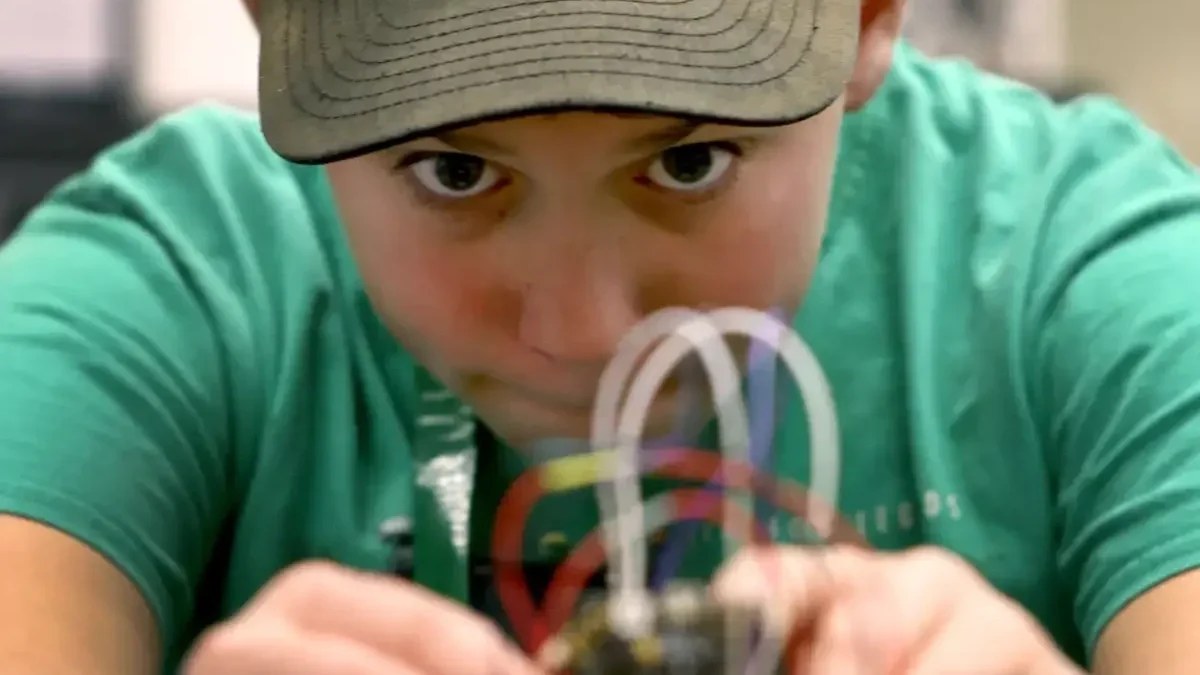
Sounds of whirring and beeping filled the Sonoma State University Makerspace on Thursday afternoon. A symphony of 3D printers, robot critters made out of plastic cups, wood burners and vinyl cutters filled the room…