







Be the Mentor You Wish You Had!
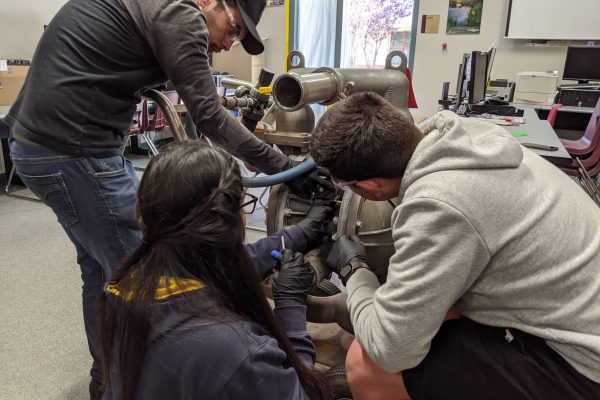
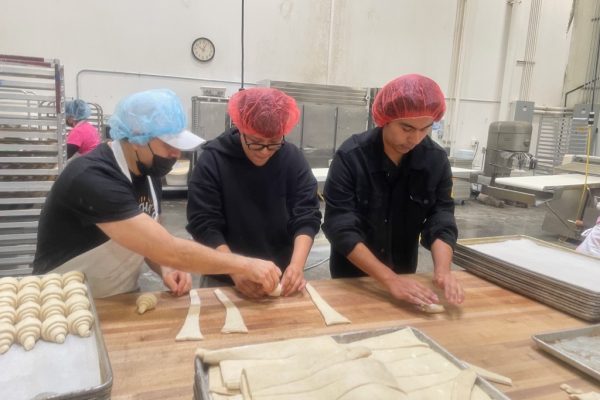
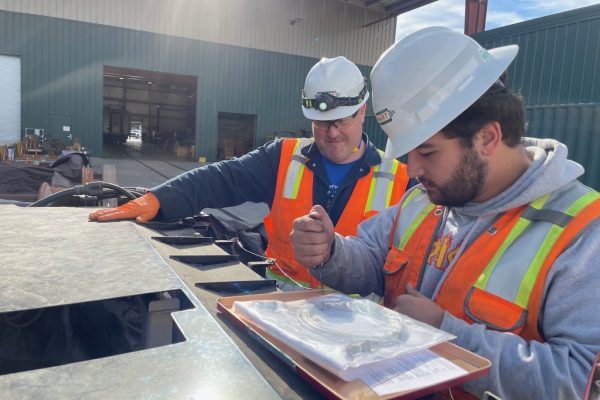
Path to Purpose is more than just an internship program – it’s a coordinated, countywide effort built to make hosting high school interns simple, flexible, and fully supported. Led by the CTE Foundation and the Sonoma County Office of Education (SCOE), the program removes barriers for students, schools, and employers by handling the logistics and preparation behind the scenes.
Our team takes care of student outreach, readiness training, and initial screening to ensure that you’re matched with interns who are motivated, prepared, and excited to contribute. Whether your organization can offer a paid internship, an unpaid experience, or something in between, we’ll work with you to create a structure that fits your goals and capacity. Internships can span several weeks or be designed as short-term, focused projects.
As an employer, you’ll receive personalized support every step of the way – from planning and onboarding to mentorship resources and post-internship wrap-up. Path to Purpose makes it easy to offer a meaningful experience while contributing to the development of Sonoma County’s future workforce.
Impact - Our Pilot Year 2025-2026
Path to Purpose launched its pilot year in Fall 2025. Applications opened that Fall, and internships began in Spring 2026. With a modest first-year goal of 25 applicants, Path to Purpose ultimately received nearly ten times that number.
249
Applications received from 22 high schools
105
Internships placed
42
Employers hosted internships
WHY PARTNER WITH US?
Hosting, Made Simple.
Centralized Matching
No recruiting necessary. Our application, screening, and placement process delivers a quality fit based on interests, skills, career goals, and schedules.
Flexible Model
Paid internships are encouraged – unpaid experiences are welcome too. We’ll shape a structure that fits your goals and capacity.
Low Barrier to Entry
Internships total 40+ hours across the spring semester, January through May – several weeks long, or a short, focused project.
Ongoing Support
Monthly workshops and guidance on mentoring, logistics, and legal best practices – from planning through wrap-up.
WE NEED YOU.
A FEW MONTHS CAN MAKE A LIFETIME OF DIFFERENCE.
Applications far exceed the internships available. Host an intern and invest in Sonoma County’s future workforce – this is your chance to inspire, mentor, and make a lasting difference.
GET STARTED
Interested in Hosting Youth Interns?
Tell us a little about your organization and we’ll follow up with next steps. Prefer to talk it through? Reach Brandon Jewell directly at bjewell@ctesonomacounty.org.
YEAR-ONE INTERNSHIP HOSTS
42 Employers Said Yes.
Animal Hospital of Cloverdale
Blue Apple Dental Group
BPM
Business Alliance Sonoma County
Catholic Charities
Center for Well Being
Ceres Community Project
County of Sonoma
CTE Foundation
Curly Doodle Dog Grooming
Dahlia & Sage
Galactic Health Center
Hansel BMW
Hansel Toyota
Humane Society
Individual & Family Support Network (IFSN)
Kaiser Permanente
Lehr Insurance
LEMO Americas
Manzanita Grove Vineyard
Martin Reed & Jennifer Klein Real Estate Team
PACE Supply
Pathways Charter
Pepperwood Preserve
Preferred Sonoma Caterers
Providence Health
QKA Architects
Rebuild Together Petaluma
Regenerative Education Alliance
Samantha Paull Events
Santa Rosa Community Health
Schulz Museum
Sonoma County Fire District & Medic Ambulance
Sonoma County Office of Education
Sonoma Valley Community Health
Sonoma Valley Museum of Art
Sutter Health
Sustainable Living Builders
Township Animal Hospital
United Cerebral Palsy North Bay
YMCA
EMPLOYER RESOURCES
Everything You Need to Begin Hosting.
- WORKSHOPS
- TIMELINE
- JOB DESCRIPTIONS
- INTERN SAFETY
- RESOURCES
Employer Info Sessions & Workshops
Employer workshops and community of practice meetings are designed to provide practical guidance and best practices to internship hosts, and leave participants with actionable tools they can immediately implement.
Employer Info Sessions & Internship Design Workshops
July 10th, August 14th, and September 11th, 2026
Virtual – 9:00am-11:00am
These virtual workshops will introduce employers to the Path to Purpose Youth Internship Program and demonstrate how easy it can be to provide valuable, real-world learning experiences for local youth.
Supervisor Workshop: Effectively Mentoring Gen Z
October 9th, 2026
In-Person – 9:00am-10:30am
Gain practical strategies for building strong relationships, communicating effectively, and creating a meaningful internship experience.
Path to Purpose Employer Orientation
January 15th, 2027
Virtual – 9:00am-11:30am
You’ve written the job description. You’ve been placed with an intern. Now what? We’ll walk you through everything you need to prepare!
2026-2027 Timeline
Fall Semester 2026
– August 12: Application opens
– September 23: Application closes
– September 30: Interviews begin
– November 13: Placements announced
Spring Semester 2027
– February 2027: Internships begin
– May 2027: Internships end
Submit Your Internship Job Description
Internship Job Description Form
All internship job descriptions must be submitted through this online form. This form ensures that CTE Foundation and SCOE receive all the critical information about your needs to ensure the best possible internship placement.
Want to work offline first and submit your job description later? Download the Job Description Template in a Word Document.
Sample Internship Job Description #1: Sunrise Community Health Center
Sample Internship Job Description #2: Bright Steps Preschool
Intern Safety
CTE Foundation’s top priority is the safety and well-being of every youth intern. Accordingly, we require strict adherence to all applicable laws, regulations, and best practices governing employers to ensure a safe and supportive internship environment.
- Work Permits
Employers must verify that interns under the age of 18 have an active California work permit prior to beginning any work. Work permits are issued through the intern’s high school and must be kept on file by the employer for the duration of the internship.
Fingerprinting & Background Checks
The intern’s direct supervisor and/or mentor must complete a Live Scan fingerprinting process and pass a criminal background check prior to the intern’s start date. CTE Foundation will provide instructions on this process when a placement is made and the supervisor/mentor has been identified.
- Mandatory Reporter Training
The direct supervisor and/or mentor of an intern under the age of 18 must complete California’s mandated reporter training as required under Penal Code § 11165.7.
- Workplace Safety Compliance
Employers must comply with all applicable workplace safety regulations, including California Occupational Safety and Health Administration (Cal/OSHA) requirements. Interns may not be assigned duties prohibited for minors under California’s child labor laws.
- Supervision and Oversight
Interns must be supervised by qualified staff at all times during working hours. Supervisors should ensure interns are provided with a safe, respectful, and harassment-free workplace environment, in compliance with California labor and harassment prevention laws.
- Harassment Prevention Training
If the employer is required under California law to provide harassment prevention training, the intern’s direct supervisor/mentor must have current, valid training completed.
- Reporting Incidents
Any incident involving injury, safety concerns, or potential violations of law involving the intern must be reported to CTE Foundation within 24 hours.
Resources
Path to Purpose Supervisor Orientation (Video Recording)
This virtual workshop is a Supervisor Orientation for anyone who will oversee a Path to Purpose intern. We strongly encourage supervisors to watch this free orientation to learn more about the program structure, expectations, and best practices for supporting youth interns. Click here to access the presentation slides.
Laying the Foundation: Designing Meaningful Youth Internships (Video Recording)
This virtual workshop is designed to help employers build meaningful internships that align student learning with your organization’s real-world needs. Participants will set clear, measurable goals to ensure interns gain valuable skills and experiences; explore a variety of internship models to find the right structure for your workplace; and leave with practical tools and templates to launch or improve a high-quality internship program.
Internship Learning Objectives Worksheet
The primary goal of any internship is to give the intern a meaningful, high-quality learning experience. Before drafting your internship job description, take time to clearly define what you want the intern to learn and achieve by the end of their experience. These learning goals will serve as the foundation for shaping the role’s responsibilities and expectations laid out in the job description.
Best Practices: Effectively Mentoring Gen Z
CTE Foundation hosted an employer workshop for supervisors of youth interns, featuring a panel of experts experienced in working with teens – including a high school senior representing Gen Z. Drawing from their insights and participant feedback, we created this list of best practices to support effective mentoring and supervision of young people.
Inclusive By Design Strategies + Checklist
Dr. Bay Jones – Director of Equity & Institutional Effectiveness and Founder of BEE – Beyond Equity in Education, LLC, offers practical strategies to design internships and workplace experiences that intentionally empower and support diverse young talent, fostering inclusion, equity, and belonging from the start.

FREQUENTLY ASKED QUESTIONS
We provide a plug-and-play model that provides structure and support, while being flexible to fit your needs and schedule. We want to help you build an internship at your organization that is beneficial to your organization, your employees and the intern(s). We host optional monthly employer workshops, on-call support, templates, and tools to make hosting an intern smooth and successful.
No. We handle the screening and placement process and will match your organization with students who align with your needs, schedule, and culture. However, the employer and intern can still meet before things are finalized to ensure it is a good fit for both parties.
Our intern placement process is designed to ensure the best possible match between students and host organizations. It begins with a comprehensive application that gathers detailed information about the student’s interests, skills, career pathway, availability, and more.
After the application is submitted, CTE Foundation and the Sonoma County Office of Education meet individually with each student to dive deeper into these areas, assess their readiness for an internship, and provide coaching and support as needed.
Once we identify a strong potential placement, we work closely with both the student and the employer to confirm it’s the right fit. Students and employers will have the opportunity to connect and meet in advance to ensure mutual alignment before the internship is finalized.
Internships will begin in the Spring semester, with most placements starting in January or February 2026.
Internships require a minimum of 40 hours total over the course of the spring semester (January–May). You can structure the schedule based on your capacity.
Yes! In fact, it is encouraged!
Hosting multiple interns at the same time can enhance the experience for both the students and your organization. Interns benefit from peer support, increased confidence, and the opportunity to collaborate and learn together, while employers can streamline training and mentorship by working with a group.
A paid intern can contribute meaningful work that adds value to an organization while gaining hands-on educational experience. This intern is compensated for their time and treated as a temporary employee, which typically involves payroll, time tracking, and compliance with labor laws.
An unpaid intern’s tasks can complement but cannot displace the work of paid employees, and must be centered on providing a learning benefit to the intern (similar to a job shadow). The intern does not receive wages and the experience must be structured primarily as a learning opportunity that benefits the student.
This does not apply to nonprofit organizations who, similar to a volunteer experience, can receive value-added work from an unpaid intern.
CTE Foundation and SCOE recommend internships be paid whenever possible to promote equity by ensuring that all students—regardless of their financial background—can afford to participate. Paid internships also provide provide a more authentic, real-world experience to the intern and a valuable work output for the employer.
CTE Foundation and SCOE recommend paying an intern at least minimum wage or more to show the intern that their time and efforts are of value to the employer. However, employers can pay a minor less than minimum wage through a “learner” exception. This allows for a reduced wage (85% of the minimum wage) for the first 160 hours of work if the minor lacks previous experience in the specific job. However, after 160 hours, the minor must be paid the full minimum wage.
The projects and tasks that the interns do are different for every employer. To help build this, consider three different structures to implement:
- Rotational: The rotational internship structure offers dynamic and comprehensive exposure to different roles and departments within the organization. Interns on this track benefit from a well-rounded perspective, honing versatile skills, and exploring the different roles and career paths within the organization. This approach encourages adaptability and a holistic understanding of business operations. This is one of the best ways to help interns explore the variety of roles within a particular organization or industry.
- Role-Specific: Internships can be focused within a specific role or department, allowing interns to delve deeply into a field if interest, gaining specialized expertise and contributing meaningfully to the team’s objectives. This approach fosters a strong sense of ownership and mastery.
- Project-Focused: A project-focused internship assigns interns to an important project to complete within the internship timeline. This approach grants interns a heightened sense of responsibility as they work on a real-life project with tangible impacts on the organization. Simultaneously, it brings fresh, diverse perspectives that can kickstart new or postponed projects and strategies.
Yes. To ensure a safe and supportive environment for youth, the direct supervisor or mentor who will be working closely with the intern is required to complete a fingerprint-based background check. This is especially important for minors and aligns with best practices and school district policies.
This is easier than it sounds and we will make sure to help every step of the way!
Youth interns generally do not meet the legal definition of an independent contractor under federal or California law. Paid interns are typically trained, supervised, and given assigned tasks and schedules – factors that legally classify them as employees, not contractors. They are not operating an independent business of their own.
Paying a youth intern via 1099 also removes important worker protections, including minimum wage, workers’ compensation coverage, and payroll tax contributions, creating significant legal and financial risk for the employer.
For these reasons, paid youth interns must be paid as W-2 employees. If a placement cannot meet W-2 requirements, it must instead be structured as a compliant unpaid educational internship – not a 1099 role.